We collect basic website visitor information on this website and store it in cookies. We also utilize Google Analytics to track page view information to assist us in improving our website.

The Reason Your Kitchener-Waterloo Tap Water Looks CloudyTuesday, September 1, 2026
|
||
|
One of the first things people think when they see cloudy water is that there's contamination or simply that the water isn't clean. This depends largely on where you live, the local water supply, and the municipal water infrastructure.
Kitchener-Waterloo has naturally hard water, largely because about 80% of its municipal drinking water comes from underground aquifers and wells. As groundwater travels through the region's limestone- and dolomite-rich bedrock, it absorbs naturally occurring minerals, particularly calcium and magnesium, which contribute to the water's hardness.
This can contribute to the appearance, taste, and even physical feel of the water itself. However, several factors can cause cloudy-looking water. In this blog, J.C. Waterworks will explain why your tap water in Kitchener-Waterloo may appear cloudy, and what options you have to rectify it.
Reasons for Cloudy Water in Kitchener-Waterloo: Why Your Water isn't Crystal ClearLuckily, most cloudy water issues can be handled relatively easily, but if your DIY attempts aren't working, check with a local plumber for help. You can also contact your local municipality for more insight into what the potential issue could be.
Speaking of issues causing cloudy water in Kitchener-Waterloo, let's look at some of the more common causes:
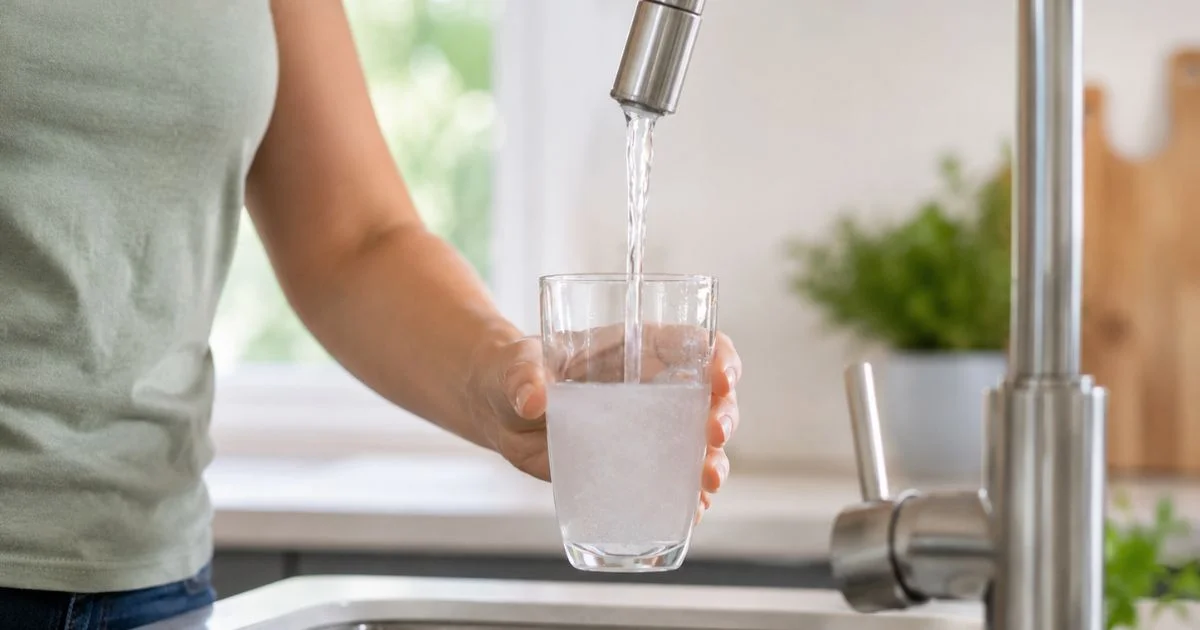
Air Bubbles: Temporarily Alarming, But Ultimately HarmlessAir bubbles occur when water cycles through your tap and largely depend on the overall temperature. Usually, the colder the water is, the more likely you are to notice cloudiness caused by air bubbles; cold water is able to hold more dissolved gases than warm water can.
When the water leaves the pressurized pipes and enters your glass, some of that air escapes as tiny bubbles, which can temporarily make the water look cloudy or hazy. They typically dissipate within seconds, meaning the water is perfectly safe to drink. However, if they don't, that could mean there's another issue.
A fix for this issue isn't generally required, especially if the bubbles dissipate after the water sits and continues to look, smell, and taste fine. Intervention may be required if the bubbles become more concentrated and begin to change the water's colour, smell, and taste. At that point, call a plumber to address the issue, as this could be a clear sign of contamination.
Regardless, if you have any concerns about your drinking water or any water in your home, it's always advantageous to contact a professional, even just to ask questions or to request a consultation. Addressing a potentially small issue (or non-issue) is less costly than letting it become a bigger problem down the line.
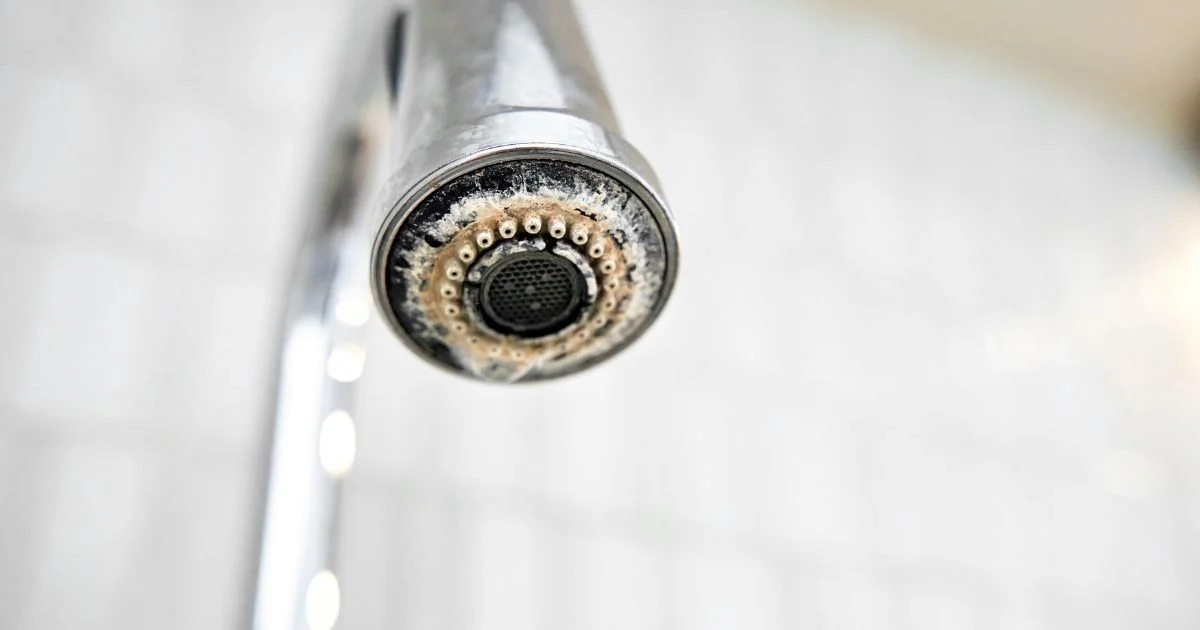
Sediment in Your Water: Inside Your Pipes or Beyond Them?Sediment in your water can come from local mineral buildup, aging plumbing, or disturbed water mains. Kitchener-Waterloo has naturally hard groundwater with higher levels of calcium and magnesium, which can contribute to mineral scale and grit. However, loose rust, sand, or other debris from aging pipes can also make its way into your water and collect in faucet screens. That is why it's essential to keep your plumbing up to date and contact a professional at the first sign of trouble.
This is why it's important to get your water tested when you notice changes in its look or taste. This way you can see what elements are contained in the water and how they could potentially impact the lifetime of your pipes.
Once you notice sediment in your tap water, it's vital to test it. Particles in the water can indicate that your home's plumbing is failing, which could lead to costly catastrophes down the road. It can also indicate that municipal water mains are corroding or that dangerous heavy metals (such as lead and copper) are present. According to data collected by the EWG Tap Water Database, 80% of U.S. and Canadian water systems contain trace amounts of contaminants.
While traces of lead and copper may not be a commonly reported issue in Kitchener-Waterloo, Health Canada still sets strict limits on potential exposure to these heavy metals because accumulation in human tissue can cause serious (irreversible) neurological, renal, and gastrointestinal damage.
Hard Water: The Most Common Issue Facing the People of Kitchener-WaterlooPlain and simple, Kitchener-Waterloo has some of the hardest water in all of Canada. But what does it mean to have "hard water"? This means the water contains large amounts of dissolved minerals, including calcium and magnesium (as mentioned above). But what exactly is the problem with hard water?
A Brief Overview of Hard Water:Hard water has a few causes, and understanding those causes can make it easier to diagnose the problem. While Kitchener-Waterloo has its own unique issues, it never hurts to know what else to look out for when you notice your water has a certain harshness to it.
While other issues can contribute to hard water, some solutions can address many of the above and more. And that's what we're going to explore next:
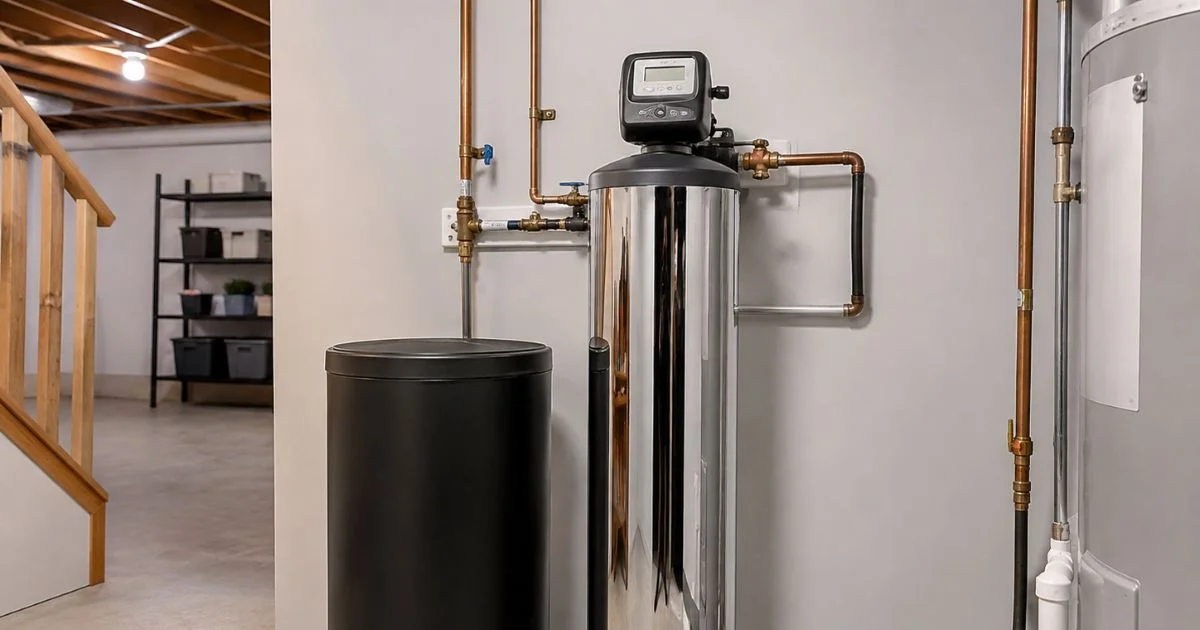
The Solution to Cloudy Water in Kitchener-WaterlooIn simple terms: you need a water softener. A water softener can solve cloudy water in Kitchener-Waterloo by removing the common heavy calcium and magnesium minerals that contribute to the municipality's hard water supply. Generally speaking, water softeners rely on ion-exchange processes that trap these pesky dissolved minerals, preventing them from entering your main water system and causing cloudy residue, flaky mineral deposits, and spotty/detrimental films on your pipes and glasses.
Lucky for you, J.C. Waterworks knows a thing or two about water softeners. In fact, we consider ourselves reliable, empathetic, and serious experts on the matter and more.
When you live in Southern Ontario, you'll come to expect water softeners as a "must." These systems are designed to reduce the minerals that cause hard water and other related issues, including cloudy water filled with sediment and other potential contaminants.
This not only makes drinkable tap water taste better and keeps showers from irritating your skin and hair; it also saves you time and money by preventing issues with your home's plumbing system down the line.
A water softener can help reduce the mineral buildup that hard water leaves behind in your pipes, water heater, faucets, and appliances. It can also help soap and detergents work better, meaning cleaner dishes, softer laundry, and less soap scum around your sinks, showers, and fixtures.
That is why J.C. Waterworks should be your top choice when you need a reliable plumber in the Kitchener-Waterloo area.
J.C. Waterworks: The Neighbour Who Will Go Above and BeyondJ.C. Waterworks is a full-service company run by a family of expert employees, located in Waterloo Region. Our dedicated team services Kitchener, Waterloo, Cambridge, Guelph, and the surrounding area. Originally established in 1993, our team has provided water treatment services to a wide range of residential and commercial customers, including homeowners, restaurateurs, supermarkets, restoration companies, car washes, doctors' offices, nursing homes, and more.
We offer several services to address your plumbing needs and are happy to answer your questions. Contact us today.
|
||
|
||
|
||
|
Spring is on the way!Thursday, February 25, 2021
|
||
|
Spring is coming!!!
There is lots of snow out there and with a rapid melt or a heavy rain your sump pump will be put to the test.
Check your sump pump now to make sure it is in good working order! Lift your float on the pump to see if it starts up and shuts back off.
Also clear away any large build up of snow that is close to your discharge pipe from the sump pump. |
||
|
||
|
||
|
Recent RenovationTuesday, December 12, 2017
|
||
|
|
||
|
||
|
||
|
||
|
Vessel SinkMonday, August 14, 2017
|
||
|
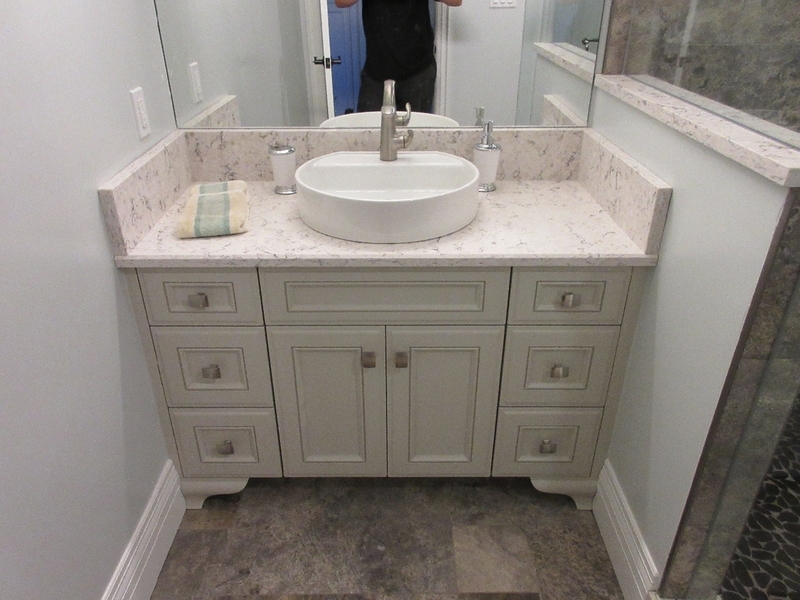
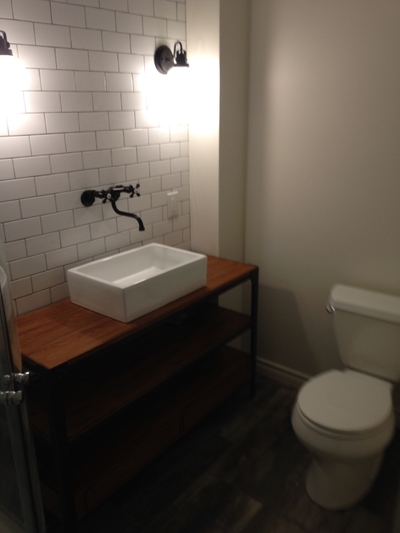
Vessel sinks....another popular trend.
|
||
|
||
|
||
|
||
|
Steam ShowerTuesday, July 25, 2017
|
||
|
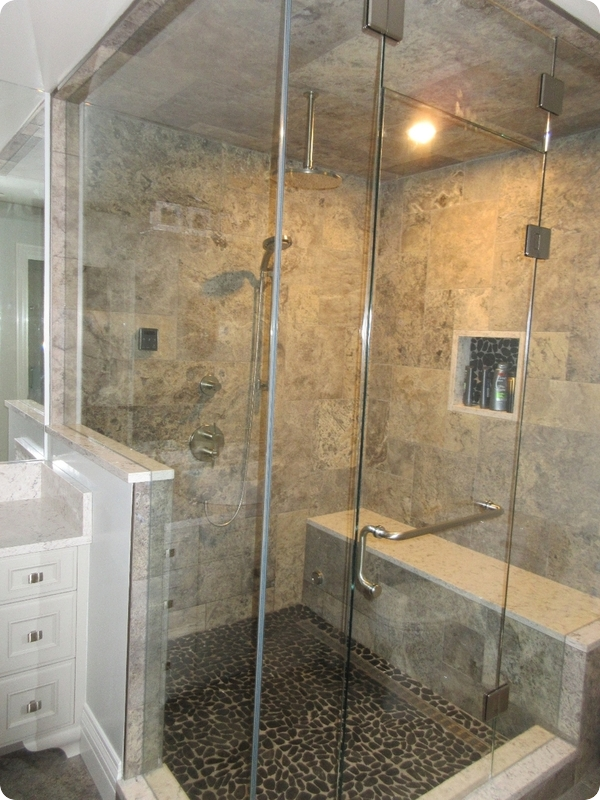
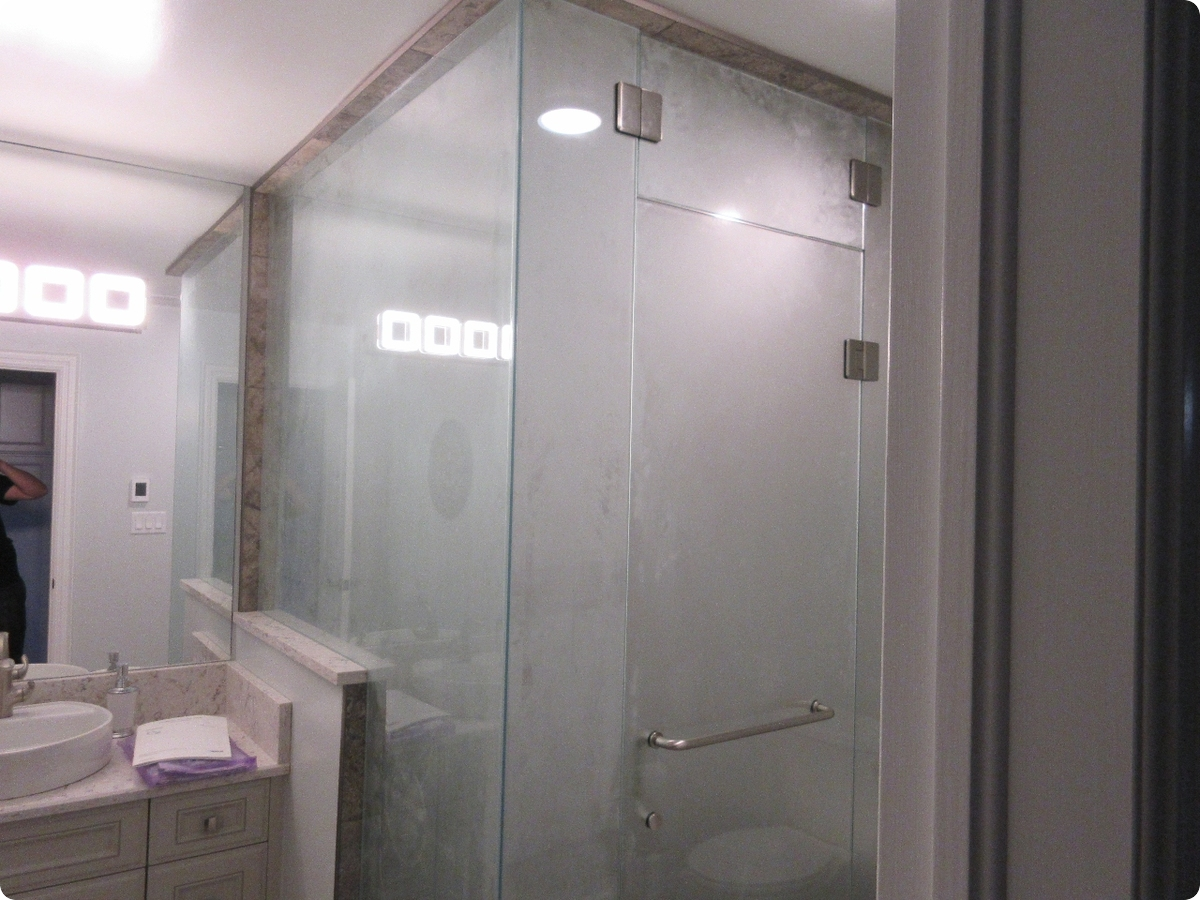
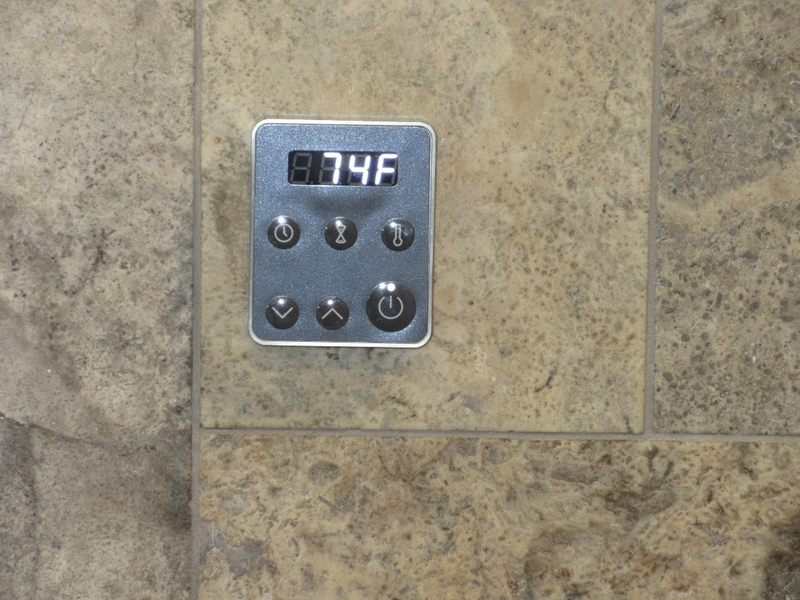
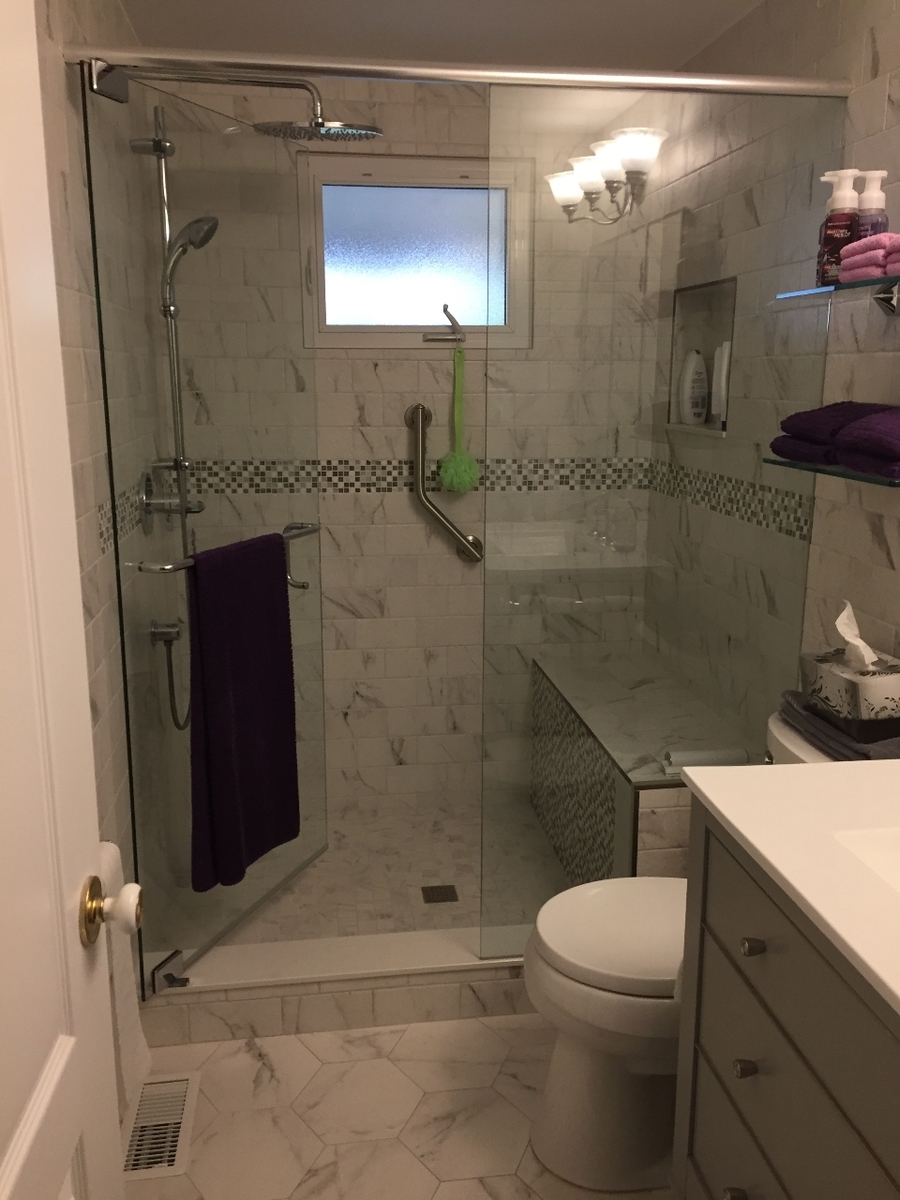
Custom tiled steam shower with built-in niches.
|
||
|
||
|
||
|
||
|
Curbless showerThursday, June 8, 2017
|
||
|
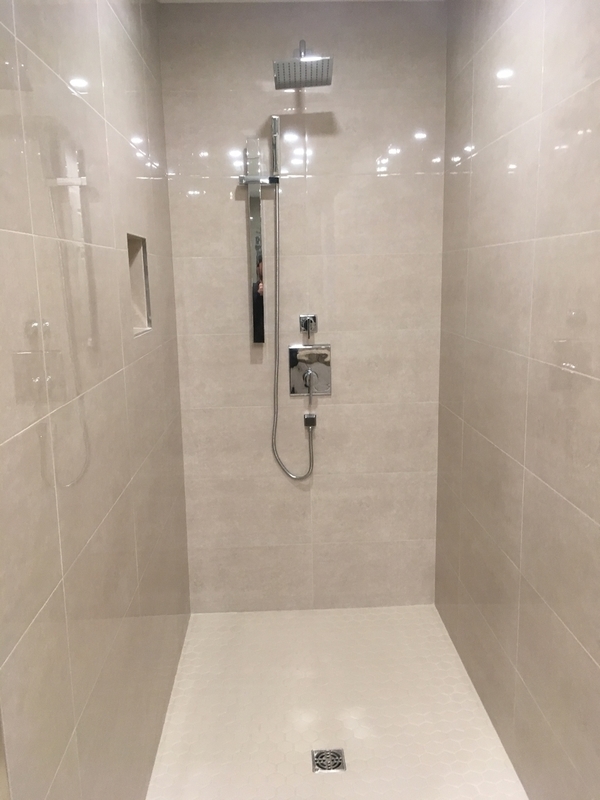
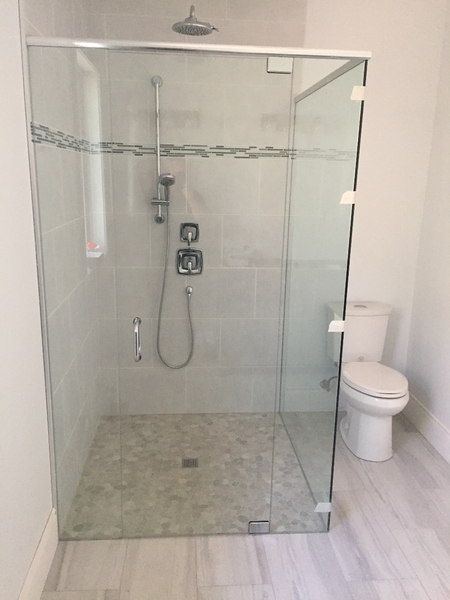
Seeing more and more of these showers installed with no "curb". |
||
|
||
|
||
|
||
|
6 foot sinkTuesday, November 1, 2016
|
||
|
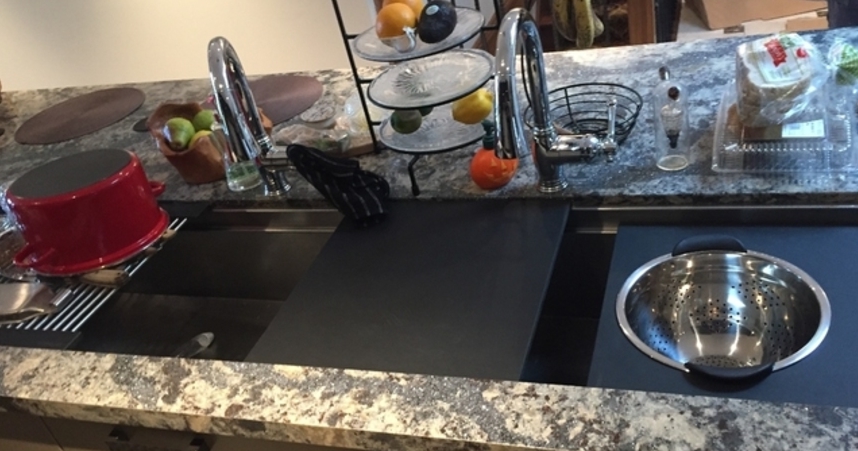
Check out this 6 foot wide sink! Sliding baskets and work surfaces are changeable for different configurations. Dual faucets too. Oh my!
|
||
|
||
|
||
|
||
|
Beautiful shower renovation with Total HomeworxThursday, October 27, 2016
|
||
|
|
||
|
||
|
||
|
||
|
Bathroom VanityWednesday, April 6, 2016
|
||
|
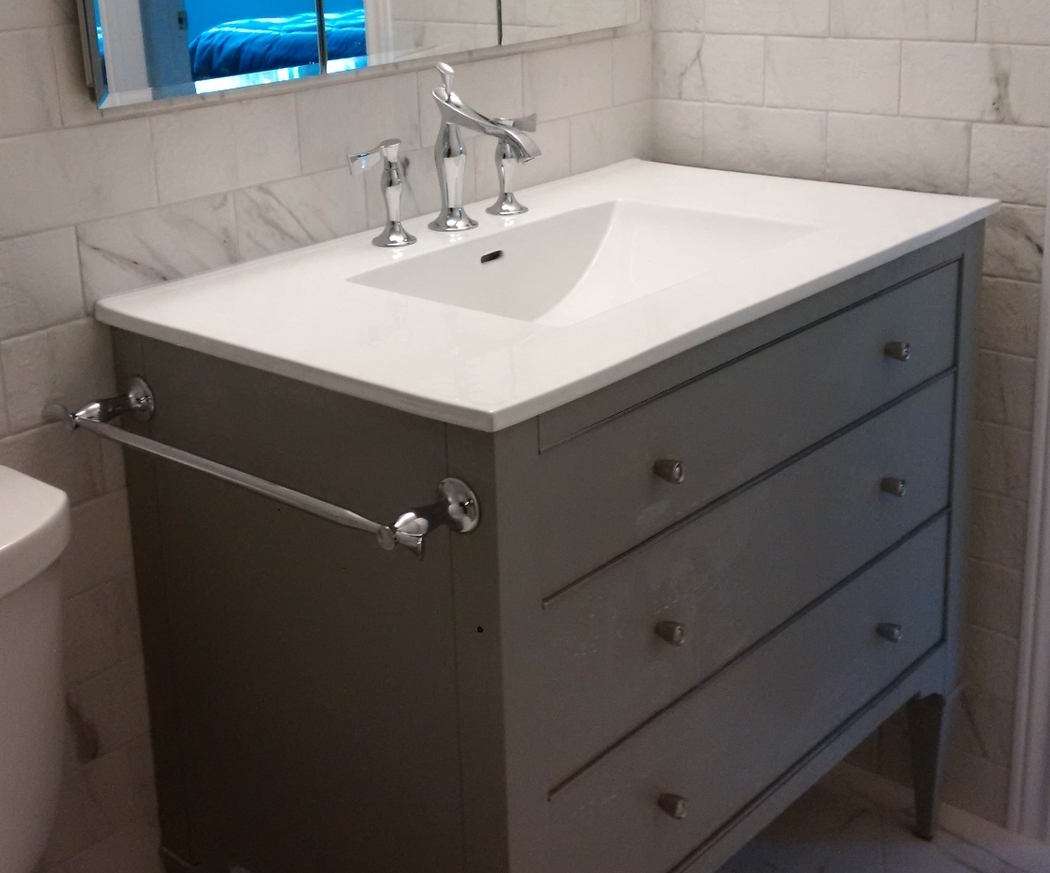
Another beautiful bathroom vanity...
|
||
|
||
|
||
|
||
|
Finished washroomThursday, March 24, 2016
|
||
|
Another finished washroom project...
|
||
|
||
|
||
|
||
|

|
|
Barb Stewart 15 September 1, 2026 |

|
|
Plumber Dude 10 November 19, 2018 |