Serving Kitchener, Waterloo, Cambridge, & Surrounding Areas |
  Call Us:
  Emergency? Email Us:




What a Knocking, Hissing, or Noisy Water Heater Could Mean
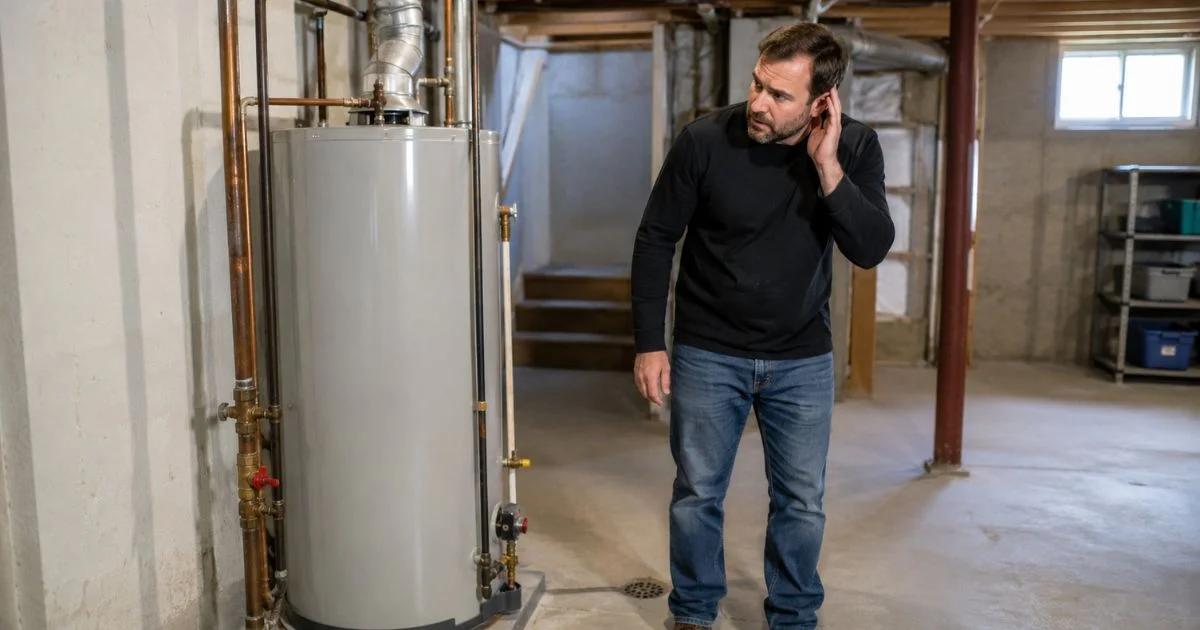
You're in the basement or utility room, and you hear a sound that doesn't match the usual creaks or hustle and bustle of your home. Instead, you hear something that sounds, perhaps, like knocking, hissing, or just generally disruptive noises coming from your water heater.
As far as you know, your water heater has been reliable and certainly hasn't made any abnormal noises before. So, of course, you ask yourself a simple question:
"What is that noise and what does it mean?"
When your water heater starts making noises it isn't meant to make, take it as a warning sign that something could be wrong. Ignoring problems by assuming it's "just nothing" or that it will "sort itself out" could cost you more than having a visit from an experienced plumber.
So, what do these bumps, bangs, knocks, hisses, or disruptive noises mean for your water heater? J.C. Waterworks is here to help you figure that out with this blog.
For One: What are NORMAL Sounds to Hear Coming from Your Water Heater?
Just because your water heater is making some noises doesn't mean something is necessarily wrong. It's absolutely OK for your water heater to make some noises, the same way that your air conditioning (AC) unit turns on and off with a beep, click, and gust of cool breeze. If you notice your water heater has regular cycles of quiet intervals of predictable sounds, there's very little need to worry.
Normal water heater sounds include:
Ticks & Clicks: Unless these sounds are unnaturally loud or rattling, heat traps or pipe expansion from temperature changes can cause "ticking" or "clicking" sounds. These are generally nothing to worry about unless their regularity, volume, or cadence changes. This is especially true if you're used to hearing regular noises and they suddenly jump in volume and frequency.
Humming/Slight Murmuring: Do you remember that light buzz you'd hear from appliances and fixtures around you that you'd listen to as you tried to sleep as a kid? Or an adult trying to save on their utilities? We do, and we can assure you that this sound is rarely something to worry about. All this means is that the electrical components are in working order and doing their job. Just keep an ear out to see if these typical noises change over time.
Gurgling After Heavy Use: Gurgling sounds can sometimes occur after periods of heavy hot water use, as water moves through the tank and connected plumbing. In many cases, this is simply the sound of normal water movement and isn't a cause for concern, particularly if the noise is brief and goes away on its own.
Soft Ignition Sounds in Gas-Powered Systems: A soft clicking or ignition sound is generally normal in gas-powered water heaters as the system starts up and begins heating the water. These sounds are typically brief and should happen only when the burner is igniting. However, if the ignition becomes unusually loud, repeats frequently, or is accompanied by other unusual sounds, it may be worth having the system checked.
What It Means When Your Water Heater is Knocking/Banging/Hammering
If you hear your water heater banging or making generally alarming sounds, you might be inclined to panic. That's completely reasonable, especially if your unit hasn't made such loud noises before.
However, that "banging, rumbling, or knocking" sound is more likely a plumbing system issue than the heater itself. This is often referred to as "water hammer," which generally happens when flowing water is forced to stop or redirect suddenly, causing the pipe system to rattle or shake. This disruption causes the common, concerning banging sound.
While hearing your water heater make knocking or banging sounds can be a little scary, it isn't always an immediate cause for concern. There are a few reasons this could be occurring:
A valve or faucet shut off too quickly
Water pressure that is too high
Pipes that are loose or improperly secured
Even if the sounds are innocent, if you notice your water heater regularly making loud, unnatural noises, it never hurts to consult a plumbing professional.
When Water Heater Noises May Signal a Bigger Problem: What to Do Next
Yes, some noises are natural and nothing to worry about; in some cases, they're even issues you can solve with DIY efforts. But what do you do if you try to fix your water heater, and problems persist? Well, without mincing words, it's time to call a professional.
There are some key warning signs that you need to look out for when it comes to your water heater:
The noise doesn't stop after the water heater finishes running.
You're hearing frequent banging, knocking, or rumbling.
There's an ongoing screeching or squealing sound.
The unit makes hissing or sizzling noises.
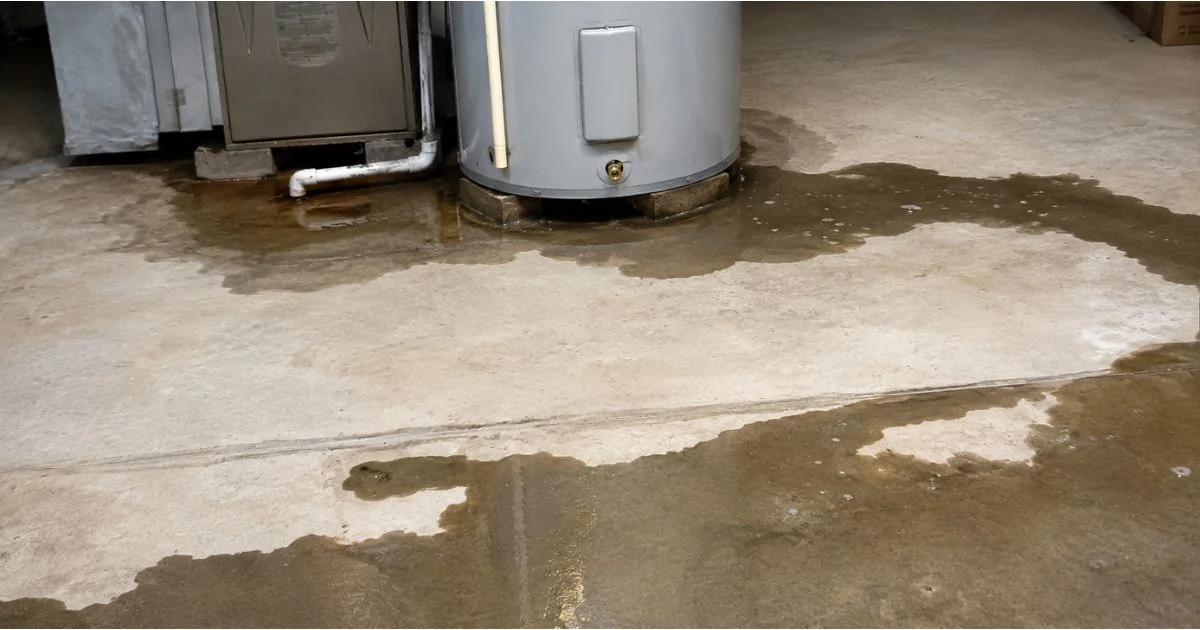
You notice water, dampness, or other signs of a leak.
Your water heater is around 8–12 years old or even older.
If you have concerns, plumbing professionals are generally happy to answer your questions and point you in the right direction. That said, if you don't trust yourself to DIY the issue, there is never any harm in bringing in a professional to address it.
What will a plumbing professional generally do to address these issues?
If Noise Continues: Plumbers will check the tank, pipes, valves, and water pressure to find the source.
Continuous Banging or Rumbling: Plumbers may flush the tank to remove sediment and inspect the heating components.
Ongoing Screeching or Squealing: Plumbers will check the valves, water flow, and pressure for potential issues.
Hissing or Sizzling: Plumbers will look for leaks, pressure problems, or issues with the heating system.
Leaks or Moisture: Plumbers will locate the leak and determine whether a repair or full replacement is needed.
Older Than 8–12 Years: Plumbers will assess the unit's condition and determine whether replacement is more practical than continued repairs.
FAQ: Common Questions About Noisy Water Heaters
Can water heater noises come from the plumbing rather than the unit itself?
Yes. Not every noise you hear around your water heater is necessarily coming from the heater. Sounds such as banging or hammering can originate from the connected plumbing, particularly when water flow changes suddenly.
Can water pressure affect the sounds coming from my water heater?
Yes. Water pressure that is too high can contribute to certain disruptive noises, including banging or hammering sounds. A plumber can check the pressure as part of their assessment.
Is sediment buildup something a plumber can address?
Yes. If sediment has accumulated inside the tank, a plumber may flush the water heater to remove it and inspect the heating components at the same time.
Can a noisy water heater be repaired, or does it need to be replaced?
That depends on what is causing the problem and the overall condition of the unit. A plumber can determine whether a repair is appropriate or whether replacing an older unit would be the more practical option.
What should I do if I am not comfortable diagnosing the noise myself?
You don't have to figure it out on your own. If you're unsure about what you're hearing or don't feel comfortable attempting a DIY fix, bringing in a plumbing professional can help identify the issue and point you toward the appropriate solution.
J.C. Waterworks is staffed by knowledgeable professionals, including licensed plumbers, licensed master plumbers, licensed gas technicians, and licensed backflow testers. This way, you can rest assured that any plumbing problems can be addressed quickly and efficiently.
J.C. Waterworks: Your Go-To Choice for Straightforward Solutions to Every Bump, Rattle, and Unusual Water Heater Sound
Established in 1993, we proudly provide plumbing services for both residential and commercial customers. Our experience extends across a wide range of properties, including homes, restaurants, supermarkets, restoration companies, car washes, medical offices, nursing homes, and more.
With a team of licensed plumbers, backflow prevention specialists, and gas technicians, we have the skills and experience needed to handle a wide variety of plumbing needs. If your water heater is making sounds you can't quite put a finger on, you can trust our experienced professionals to diagnose the problem and provide comprehensive solutions. Contact us today.