Serving Kitchener, Waterloo, Cambridge, & Surrounding Areas |
 Call Us:
 Emergency? Email Us:




The Truth About Renting vs. Owning a Water Heater in KW
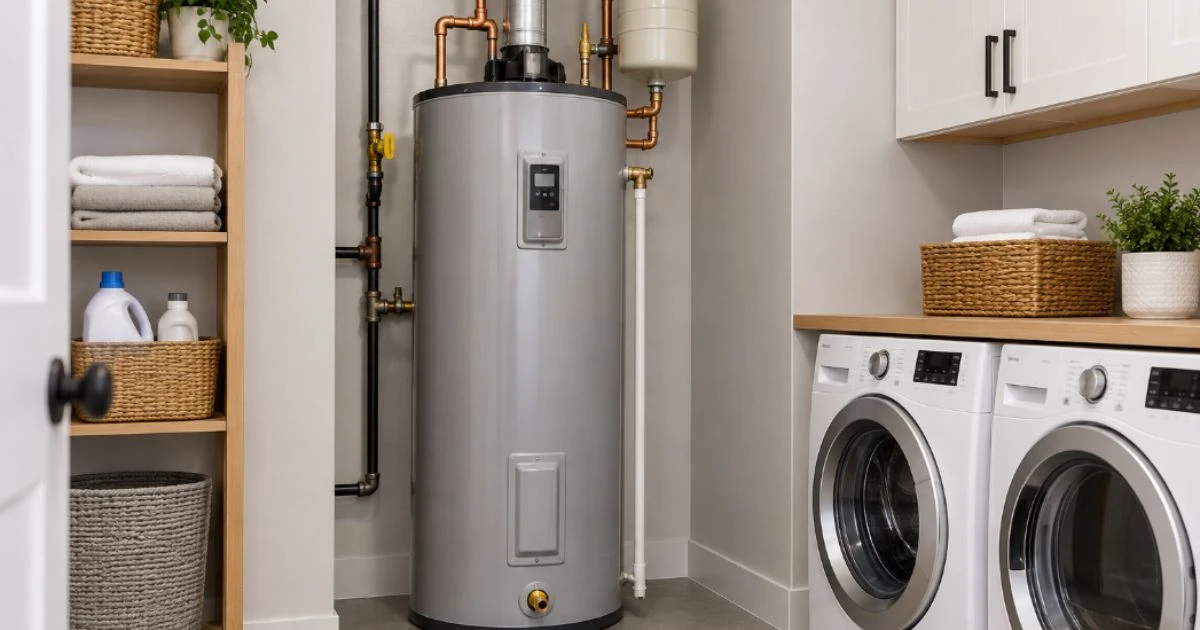
For a lot of homeowners in Kitchener-Waterloo, renting a water heater can feel like the simplest option. It's a monthly fee, the equipment is installed, and you have someone you can call if something goes wrong. It makes sense for many homeowners because it seems like the easier, less expensive option. No large upfront purchases, no need to handle repairs, and a replacement can be fully covered in some cases — it seems like an obvious choice.
But there is another side to the equation.
When you rent a water heater, you are paying for the equipment over time rather than owning it outright; this might seem like you're saving money, but, in the long run, it's quite the opposite. Depending on your contract, those monthly payments can continue for years, even after you have paid significantly more than the original cost of the equipment.
Buying a water heater, on the other hand, means taking on the upfront cost and responsibility for the equipment, but it also means you own the system and are no longer making monthly rental payments.
So, which option is actually better for homeowners in Kitchener-Waterloo?
The honest answer is that it depends on your home, your budget, how long you plan to stay there, and the type of water heater you need. At J.C. Waterworks, we believe the best decision starts with understanding both options rather than assuming that renting or owning is automatically the right choice. Luckily, J.C. Waterworks is here to educate you on the difference between renting and owning a water heater, and what is likely to work best for you and your situation.
How Water Heater Rentals Work
When you rent a water heater, the equipment remains the property of the rental company.
One of the primary attractions of renting a water heater is the idea of convenience. If the rental agreement includes service and repairs for the product, homeowners may see this as a genuine perk because the company is responsible for handling the equipment.
This can be particularly appealing when a water heater fails unexpectedly, and the homeowner does not want to deal with the cost of replacing the unit immediately. However, convenience comes at a price, and if you've ever bought lunch from a convenience store, you know this all too well.
A monthly rental charge may not seem significant when viewed on its own. The more important question is what those payments add up to over several years. A homeowner who stays in the same house for a long time could make rental payments for many years, potentially spending considerably more than they would have if they had purchased the equipment themselves.
That doesn't necessarily make renting a bad choice, but it also doesn't make it the best one. It simply means the monthly payment should be considered as a long-term expense, not just an affordable way to deal with today's water heater installation.
Solving today's problem quickly is convenient, but you don't want a short-term fix to turn into an even bigger financial burden down the line. That's why it sometimes makes more sense to buy the equipment instead of renting it. A responsible plumber and supplier will tell you that.
What Does It Mean to Own Your Water Heater?
Owning anything can seem intimidating if you've never done so before. A car, a house, etc. Once you own something, you're legally responsible for handling all its upkeep and care. However, buying a water heater is pretty straightforward. You pay for the equipment and installation, and then the water heater is yours; yes, there is a larger upfront expense, but you don't have to worry about an ongoing rental payment hitting your account every month or so. Once you've bought the equipment, your future costs are narrowed down to maintenance, repairs, energy usage and potential replacement.
For reference, Canada's water heater market is expected to grow significantly over the coming years, reflecting the continued demand for reliable and efficient hot water systems in Canadian homes. The market is projected to reach approximately US$1.71 billion by 2033, with an estimated compound annual growth rate of 5.1% between 2026 and 2033. For homeowners, this growth means there are more options than ever when it comes to choosing a water heater that fits their home's hot water needs, energy goals and budget restrictions.
For homeowners who plan to stay in their current property in the long-term, ownership can make a lot of financial sense because there's no indefinite rental payment attached to the equipment.
Owning the water heater t also provides a greater deal of control over the installation process. Instead of simply accepting the options available through a rental agreement, you can discuss different technologies, sizes and efficiency levels with your plumber and choose a system based on your home's actual hot water requirements.
At J.C. Waterworks, that conversation can include conventional gas or electric water heaters as well as tankless and on-demand systems. The right option depends on factors such as your home's layout, hot water demand and installation requirements.
The Monthly Payment Can Be Misleading

One of the biggest mistakes homeowners end up making when it comes to renting and buying a water heater is focusing only on the amount of the monthly payment. A rental payment can look inexpensive on the surface in comparison to the upfront price of purchasing a water heater. But a monthly payment that continues year after year must also be weighed against a one-time purchase.
Think about it this way: when comparing the two options, don't just ask, "How much will this cost me each month?" Instead, there are several questions you should be willing to ask:
Instead, there are several questions you should be willing to ask:
How much will I pay over five years?
How much will I pay over 10 years?
What happens if I sell my home?
Are there fees associated with ending the rental?
What is included in the rental agreement?
What happens when the equipment reaches the end of its useful life?
What would the purchase and installation cost be today?
The goal is to look at the entire ownership or rental period rather than making a decision based on one number.
But What Happens When You Sell Your Home?
This is another area homeowners should understand before signing a rental agreement. A rented water heater can become part of the conversation when a home is sold.
Depending on the agreement, the buyer may need to assume the rental, or the existing agreement may need to be dealt with before the sale.
The Ontario government recommends that homeowners understand any existing appliance contracts when purchasing a property, including water heater rental agreements. If you are buying a home in Kitchener-Waterloo, do not assume that the water heater automatically belongs to the seller simply because it is installed in the house. You need to make sure you're asking questions before you sign.
If you already own your water heater, the situation is much simpler. The equipment is yours, so there is no rental contract for a future homeowner to assume. For anyone planning to move within the next few years, however, the decision becomes more complicated. The potential benefits of avoiding an upfront purchase need to be weighed against the terms of the rental agreement and what happens when you sell.
Buying Gives You More Control
For homeowners who plan to stay in their Kitchener-Waterloo home for the long term, ownership can offer an important benefit: control.
You own the equipment; you can choose when to replace it; you can discuss different water-heating technologies with your plumber. And you are not tied to a monthly rental agreement for the life of the system.
That flexibility becomes especially important as water-heating technology continues to evolve.
Tankless water heaters, for example, heat water on demand rather than storing a large volume of heated water in a tank. They can be a good option for certain homes, but they are not automatically the right choice for everyone. Installation requirements, available space, hot water demand and existing plumbing all need to be considered.
At J.C. Waterworks, we look at the property and the homeowner's needs before recommending a system. The goal is not simply to install a water heater. It is to find a solution that makes sense for the home.
So, Should You Rent or Own Your Water Heater?
For homeowners in Kitchener-Waterloo, there is no universal answer. Renting offers convenience and can reduce the upfront cost of installing a water heater. For some homeowners, that convenience is worth paying for.
Owning requires a larger initial investment, but it eliminates the ongoing rental payment and gives you control over the equipment. For homeowners planning to remain in their property for many years, that can make ownership an attractive option.
The most important thing is to look beyond the monthly payment. Consider the total cost, the length of time you expect to live in the home, your responsibilities for maintenance and repairs, the terms of any existing contract, and the type of water-heating system that best suits your household.
At J.C. Waterworks, we help homeowners throughout Kitchener, Waterloo, Cambridge, and the surrounding areas make informed plumbing decisions. Whether you need to replace an aging water heater, are considering switching from a rental to ownership or want to explore a tankless system, our team can help you understand your options.
Your water heater is something you rely on every day. You should also understand what you are actually paying for.
Call 519-894-4005. Our team is happy to help you get your next project started.