Serving Kitchener, Waterloo, Cambridge, & Surrounding Areas |
  Call Us:
  Emergency? Email Us:




How Long Should a Water Softener Last in Kitchener-Waterloo?
When moving to the Kitchener-Waterloo area, you're going to discover quickly that hard water is a serious issue. Whether it's plumbing damage or issues with your skin and hair, hard water isn't something you want to deal with in the long term. That's why having a water softener in Kitchener-Waterloo is pretty much mandatory to having a comfortable and functional home without running into potential plumbing issues (that can be costly) in the future.
Studies show possible links between drinking water hardness and health outcomes, including cardiovascular disease. However, the evidence is mixed, and Health Canada has not established a definitive health effect from hard water. For homeowners, the more immediate concern is how hard water can affect plumbing, fixtures, and appliances, as the calcium and magnesium it contains can contribute to scale buildup over time.
This is why having a water softener in Kitchener-Waterloo is essential. But before you commit, you need to know how long your model will last and make sure you're choosing the right option for your unique needs.
J.C. Waterworks is an expert in providing water softening solutions across Kitchener-Waterloo, along with other plumbing services to keep your home protected and functioning well. We serve both residential and commercial customers throughout Kitchener, Waterloo, Cambridge, Guelph and the surrounding Waterloo Region.
In this blog post, we'll cover how long a water softener should last, the benefits of having one in Kitchener-Waterloo, and how our products can save you time, money, and serious headaches in the future.
Let's explore the topic together.
How Long Does a Water Softener Last in Kitchener-Waterloo?
Generally, most water softeners last 10-12 years. A properly maintained water softener usually provides several years of service; however, its lifespan depends on several key factors. These include the quality of the unit itself, the hardness of the water, household water consumption, and how consistently you maintain your system. A reliable water softener doesn't need daily monitoring, but it also can't be ignored.
In fact, with the right system and ongoing maintenance, you could have a unit that lasts several decades.
In Kitchener-Waterloo, the consensus is that the average water softener lasts about ten years or just beyond. This depends on several factors we've mentioned previously, including water hardness and ongoing maintenance.
But how do you ensure your water softener lasts as long as possible in your local area?
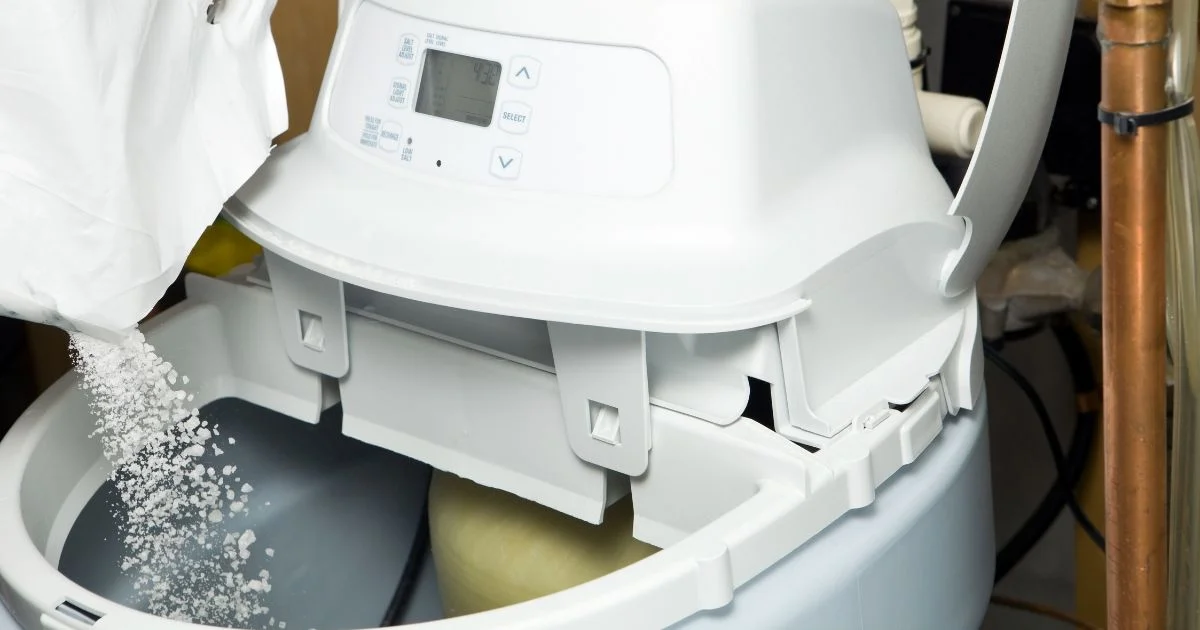
Check the salt level: Keep enough salt in the tank for regular regeneration.
Clean the system: Clean the brine tank and check for buildup periodically.
Check for salt bridges: Break up any hardened salt that prevents proper regeneration.
Maintain it regularly: Follow the manufacturer's maintenance recommendations.
Watch for warning signs: Look for scale buildup, water spots or other signs that the softener isn't working properly.
Get professional service: Have the system inspected if you notice performance issues or as it gets older.
What Causes a Water Softener to Wear Out?
All mechanical systems in your home have components that eventually wear down and need replacement. Whether it's the resin inside the softener or valves, controls, or other essential components, they don't last forever; they require maintenance and sometimes replacement.
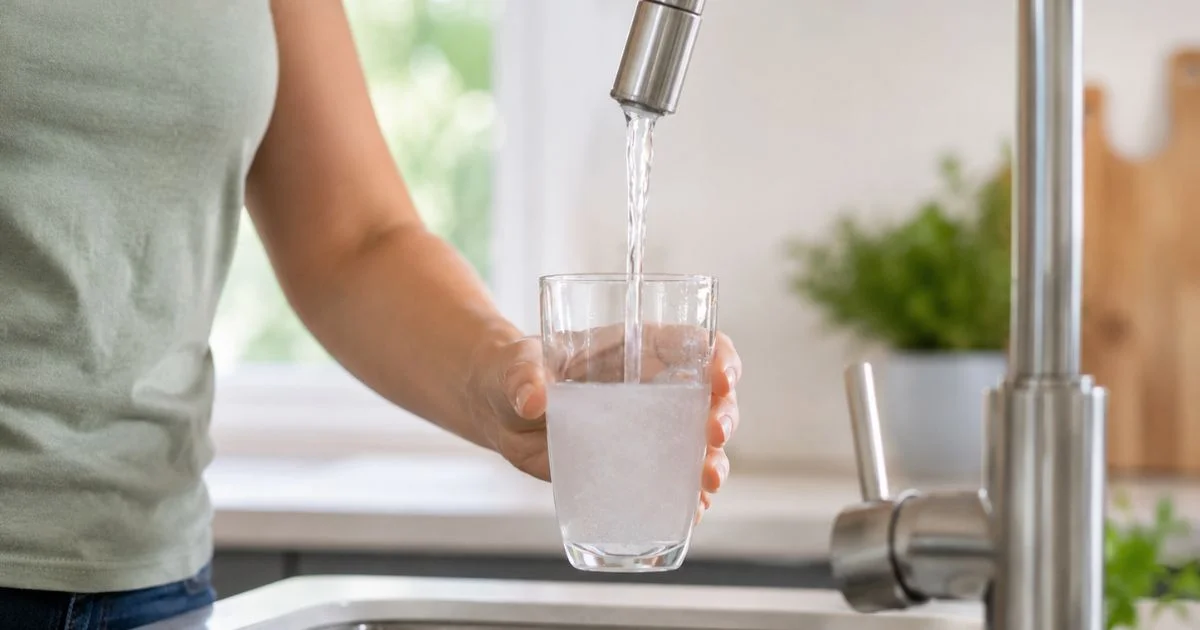
One of the most common signs of an aging or malfunctioning system is noticing hard water symptoms.
You might see:
White or chalky deposits around faucets and fixtures.
Soap that doesn't seem to lather properly.
Spotting on glassware.
Scale buildup around plumbing fixtures.
Changes in water quality or feel.
Mineral deposits inside appliances.
Reduced effectiveness from the water softener itself.
If you've started noticing these problems despite having a water softener installed, it doesn't necessarily mean the entire system needs to be replaced. The issue could be related to maintenance, settings, a worn component or another plumbing problem.
Having the system inspected can help determine whether repair or replacement makes the most sense.
Why Does Hard Water Matter for Your Plumbing?
As we've mentioned, hard water can seriously impact your plumbing system. While the modernity and upkeep of your home matter, hard water can still cause a myriad of issues.
Homeowners often choose water-softening solutions to reduce scale buildup from high concentrations of calcium and magnesium that can form on plumbing fixtures and inside pipes. Over time, this buildup can cause serious plumbing issues, such as reduced water flow, which can create additional problems throughout your home's plumbing system.
Hard water can contribute to scale buildup in plumbing, which may restrict water flow and affect plumbing systems over time.
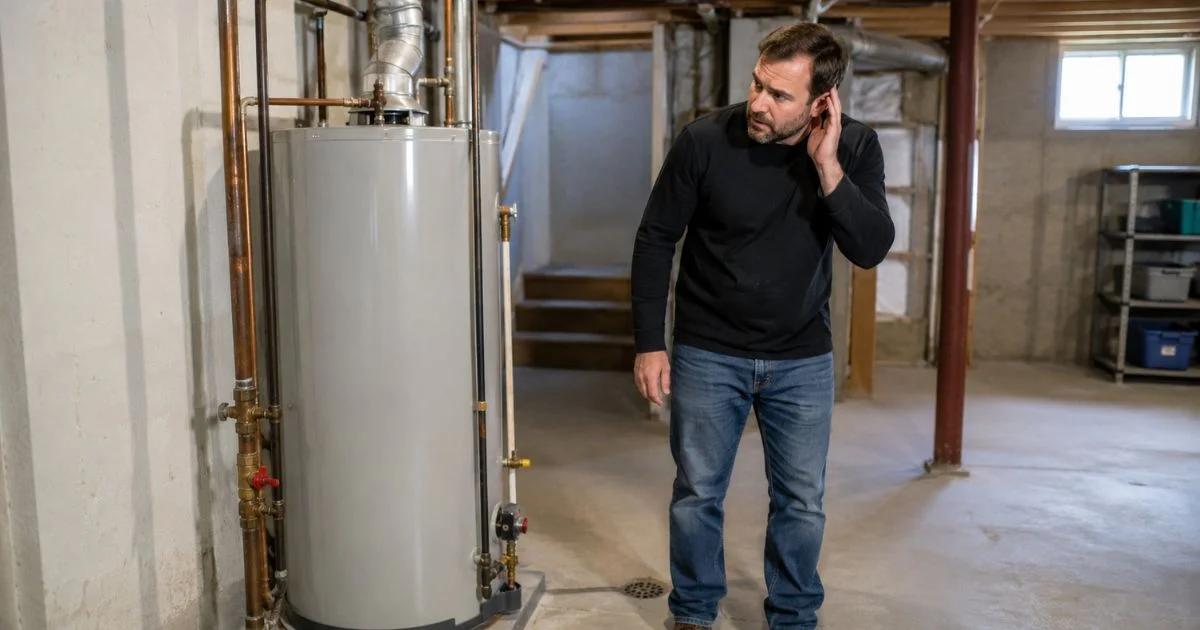
Hard water can also be particularly problematic for systems that heat your water.
When scale accumulates inside hot water tanks and other heating equipment, it can interfere with heat transfer. This can reduce energy efficiency and potentially contribute to premature equipment failure. Hard water isn't just about making your daily baths or showers feel better; it's about reducing the potential for scale buildup and eliminating potential issues that can come along with it.
The Benefits of a Water Softener Living in Kitchener-Waterloo
Installing a water softener isn't necessarily about making your water "safer." Municipal drinking water in the Waterloo Region is treated and tested to meet provincial safety standards. The City of Waterloo, for example, reported 100% compliance with provincial drinking water safety standards in 2024.
Instead, the primary benefits of water softening focus on reducing the effects of hardness throughout your home.
Let's take a look at some of the common issues that water softeners address:
Less Scale Buildup: Softened water can help reduce the calcium and magnesium responsible for scale. That can mean fewer deposits around faucets, showerheads, sinks, and other fixtures.
Easier Cleaning: Hard water can make soap less effective and contribute to spots and residue. Reducing hardness can make cleaning bathrooms, kitchens, and glass surfaces less frustrating.
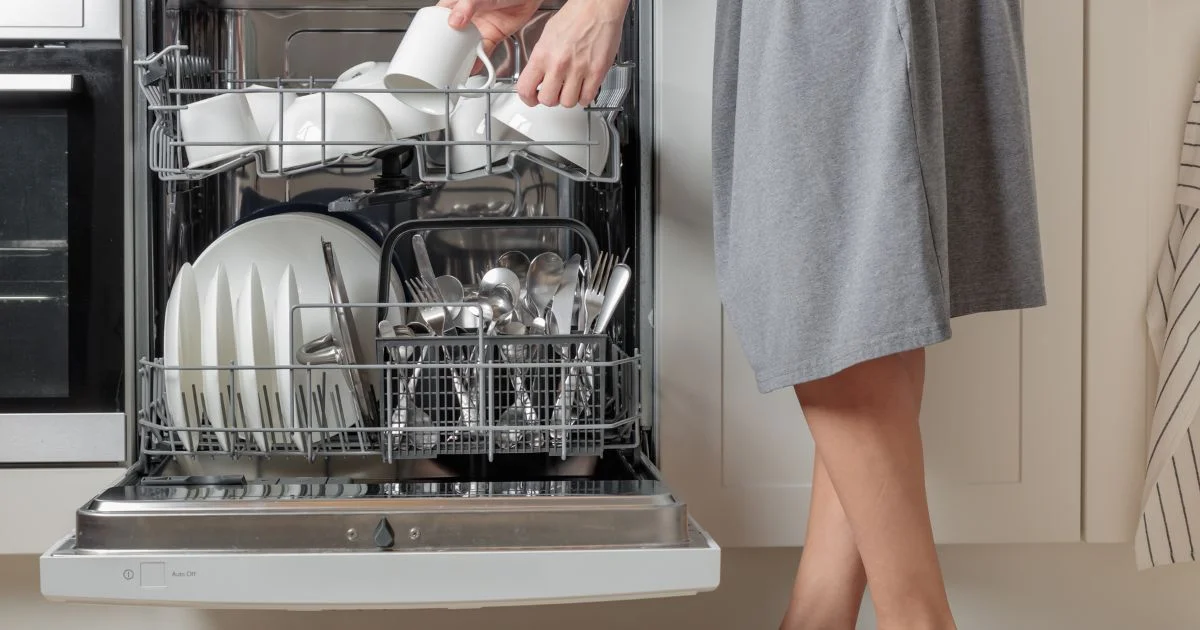
Protection for Appliances: Dishwashers, washing machines, hot water tanks, and other appliances that regularly use water can be affected by mineral buildup. Reducing hardness can help minimize the amount of scale these systems encounter.
Better Water Flow: Scale accumulation inside plumbing can contribute to restricted flow. Managing hardness can help reduce one potential source of buildup within the plumbing system.
A More Comfortable Home: For many homeowners, the difference is simply noticeable. Water may feel different when washing your hands or showering, while cleaning tasks can become easier when you're not constantly dealing with mineral deposits.
Beyond how long your water softener lasts, you should also consider how it can extend the life of your home's plumbing overall.
How Long Water Softeners Can Last with J.C. Waterworks' Warranties:
As we've mentioned, water softeners have a general lifespan, but a professional warranty can give you additional peace of mind. J.C. Waterworks offers several water softener models, all of which have warranties to ensure they serve you and your home in the long term:
CHLOR-A-SOFT Water Softener & Chlorine Removal System: 20-year warranty.
SUPERIOR SERIES Fully Automatic Water Softener: 12-year warranty.
VALUE SERIES Electronic Demand Water Softener: 7-year warranty.
Why is it so Essential to Have a Reliable Water Softener in Kitchener-Waterloo?
Ultimately, investing in a quality water softener can help Kitchener-Waterloo homeowners protect their plumbing, appliances, and overall home for years to come.
Reduces scale buildup: Helps prevent mineral deposits from accumulating inside pipes and fixtures.
Protects appliances: Reduces scale in water heaters, dishwashers, and washing machines.
Improves water flow: Less buildup inside plumbing can help maintain proper water flow.
Protects fixtures: Helps reduce mineral deposits on faucets, showerheads, and other fixtures.
Reduces plumbing repairs: Less scale buildup can mean fewer problems with pipes and water-using equipment.
Extends your water softener's life: Regular maintenance, proper salt levels and appropriate settings help keep the system working efficiently for longer.
Protects your investment: A well-maintained water softener can help reduce wear on the plumbing systems and appliances throughout your home.
J.C. Waterworks: The Regional Expert Who Can Help You Save Money
J.C. Waterworks was established in 1993 and continues to operate as a Canadian, family-owned business providing full-service plumbing to residential and commercial customers throughout Kitchener, Waterloo, Cambridge, and the surrounding Waterloo Region, including emergency services.
We’re not just your local plumbing specialists. We’re your neighbours, too, and we believe every project deserves the same level of care, no matter how big or small.
Our close-knit team brings years of experience to every job, along with a genuine commitment to helping our community. When you call J.C. Waterworks, you’re getting more than a plumber. You’re getting a team that cares about doing the job right and treating your home or business with the same respect we’d give our own.
Having water that doesn't compromise your plumbing system will not only save you grief and money, but also give you the peace of mind you deserve when making a significant investment in a home. If you need help choosing a system that will last for the long haul and advice on how to keep your water softening system operating for years to come, contact us today.