Serving Kitchener, Waterloo, Cambridge, & Surrounding Areas |
 Call Us:
 Emergency? Email Us:




Drano Isn’t Working What to Do (and NOT to Do) Next
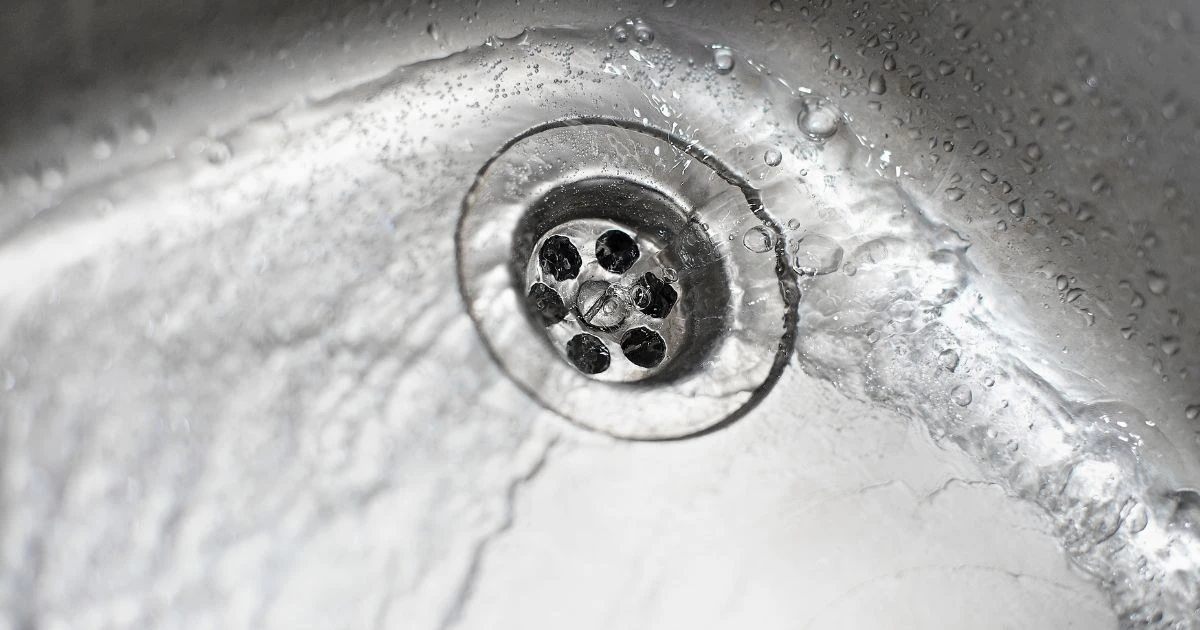
Listen, nothing is quite as aggravating as a clogged drain. Whether it's your shower drain or a faucet, watching water drain slowly or even stay stagnant is a sure-fire way to give yourself a headache. For over a hundred years, Drano has been a plumbing staple for those experiencing clogged drains without knowing how to address them.
However, when you reach for your trusty bottle of Drano expecting a quick fix, only to see the sink is still failing to properly drain, the situation can become even more concerning. It may be tempting to just pour more cleaner down the drain -- but the experts at J.C. Waterworks are telling you this now: DON'T DO THAT.
Chemical drain cleaners are designed to break down certain clogs, but they can’t fix every plumbing issue. If Drano isn't working, the blockage may be too severe for a chemical cleaner, located deeper in your plumbing system, or caused by something the product can’t dissolve.
At J.C. Waterworks Plumbing, we help homeowners and businesses throughout Kitchener, Waterloo, Cambridge, Guelph, and the surrounding areas resolve everyday plumbing problems, including stubborn drain clogs. Here's what to do, what to avoid, and when it's time to call a professional plumber.
Let's Ask the Question: Why Isn't Drano Working?
Before you try dumping more Drano down the drain or finding another solution, it helps to understand why it didn't work in the first place. Drano products are formulated for specific types of clogs, but their effectiveness depends on what's actually causing the blockage and where that blockage is located. But how do you determine this, and how do you address it when the Drano doesn’t solve the issue?
1. The Clog Is Too Severe
Hair, soap residue from showering, grease from cooking, and other household debris can accumulate inside your drainpipes over time. While a chemical cleaner can help break down some of these materials, it may not be enough to clear a particularly dense blockage.
Let's take a look at an example: a bathroom sink that has YEARS of accumulated hair and soap residue could have a physical obstruction that the product simply can't dissolve on its own. The same applies to a kitchen drain that has a substantial buildup of grease and food debris. If you use Drano and the water continues to pool in your sink, shower drain, or bathtub, the clog likely needs a proper mechanical removal.
2. The Blockage Is Too Far Down the Drain
Many blockages develop near the opening of the drain, while others can form deep inside the plumbing system; if the plumbing blockage is beyond the area that Drano can effectively reach, the product may not be able to resolve the problem. This is particularly important when multiple fixtures are draining slowly or when water backs up into one fixture while another one is being used. These symptoms can indicate a blockage that impacts a shared drainpipe or the main sewer line, instead of an isolated sink or drain clog.
Clogged drains can do more than slow down your plumbing. When wastewater can't flow freely through your pipes, it can back up into your home, causing water damage, soaking walls and floors, and creating conditions for mould and other biological growth.
These problems can occur anywhere along your plumbing system, from the pipes beneath individual sinks and bathtubs to the main drain that connects your home to the municipal sewer system or septic tank. And no, Drano can’t fix that.
Pro Tip: This is usually when you call J.C. Waterworks, if not before.
3. Determine Whether One Drain or Multiple Drains Are Affected
Wait, wait: don't dismantle anything. If you suspect that the blockage could be impacting multiple pipes, take note of which fixtures are experiencing drainage problems. If only one sink is draining slowly, the blockage may be isolated to that fixture or its connecting pipe. If several sinks, toilets, showers or bathtubs are affected, the issue could be farther down the drainage system.
Watch for other warning signs, including:
Gurgling sounds coming from your drains.
Unpleasant sewage odours.
Water backing up into another sink, bathtub, or toilet.
These details can help a plumber narrow down the possible cause and determine what type of inspection or drain service may be needed. If wastewater is backing up into your home, stop using the affected fixtures and seek professional plumbing assistance promptly.
4. When to Call a Professional Plumber
If Drano hasn't worked, professional drain cleaning is often the next step. A plumber can assess the blockage, identify its likely location, and select an appropriate method to clear it. At J.C. Waterworks Plumbing, our drain services include blockage removal, pressure washing, camera inspections, and drain replacements. The right solution depends on the condition of the pipes and the nature of the obstruction.
Mechanical drain-cleaning equipment may be suitable for certain clogs, while pressure washing can help remove accumulated debris and buildup in appropriate plumbing systems. If the problem keeps returning, a camera inspection can help identify underlying issues that may not be visible from the drain opening.
Addressing the cause of the blockage, rather than repeatedly treating the symptoms, can help restore reliable drainage and reduce the likelihood of another frustrating clog.
What NOT to Do When Drano Doesn't Work
When a drain continues to remain blocked despite your Drano efforts, it's easy to jump to using a stronger chemical product.
However, this is not only likely unnecessary, but there are also serious repercussions that can come from it. Before you reach for another bottle, consider why it's safer to consult a professional:
1. Don't Mix Different Drain Cleaners or Chemicals
Never mix Drano with another drain cleaner or household chemical. Not only because it won't work, but it's also potentially very dangerous. You should NEVER mix any at-home chemicals or cleaners unless there are explicit instructions that detail how to do so safely -- and most of the time, there aren't any. So, it's best just not to do it at all.
This is particularly true for Drano and bleach, especially when pouring it into a smaller pipe system. It can cause a noxious gas that can be incredibly harmful. It can burn your mouth, throat, and potentially even your lungs, causing serious damage.
Instead of getting frustrated at the fact that your chemical solution hasn’t worked, it’s better to call a plumbing professional and ask for advice.
2. Don't Pour in Boiling Water
If you go on the internet, you're going to see a lot of DIY blogs telling you to dump boiling water down the drain, especially if grease is causing the issue. However, if you do this after pouring a chemical cleaner, it's not at all a safe step to take, because the hot liquid can cause splashing and could expose you to any remaining product in the drain. Very hot water can also damage the plumbing components and fixtures, depending on the materials involved.
Follow the specific product instructions rather than experimenting with water temperature or additional treatments. And, if you genuinely don't know how to proceed, always talk to a professional.
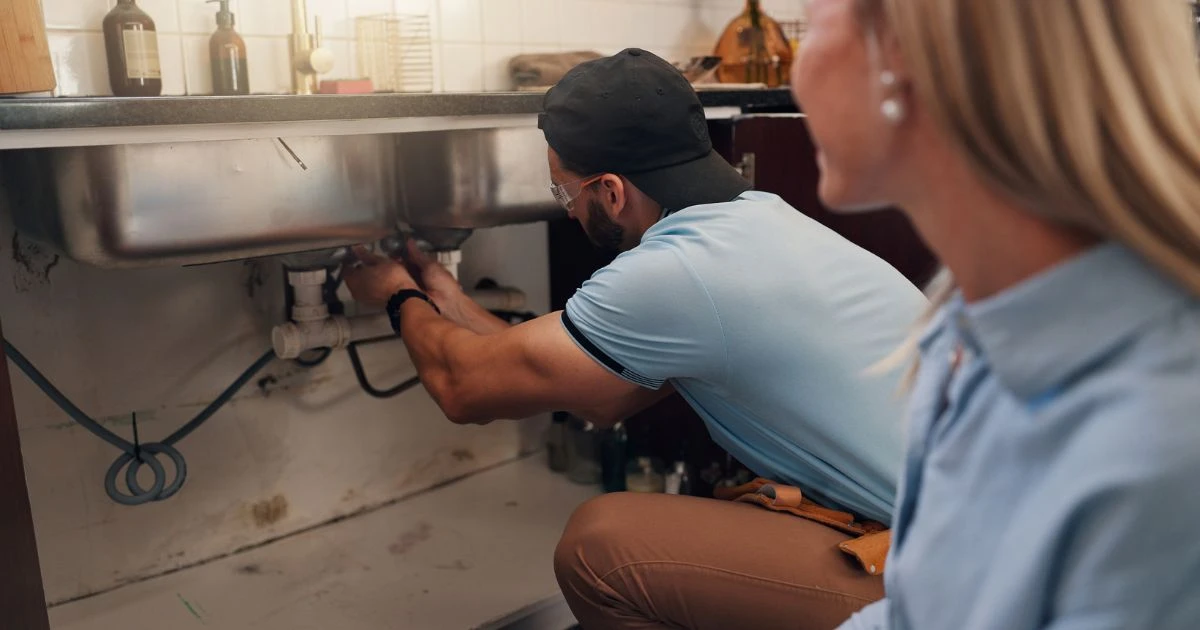
3. Don't Take Apart the Plumbing
Removing a sink's P-trap or disconnecting a drainpipe may seem like a straightforward way to access a clog. However, if chemical cleaner remains inside the pipe or standing water, opening the plumbing can expose you to corrosive material.
It can also lead to leaks, spills, or damage if the connections are not reassembled correctly. A plumber can safely assess the situation and determine whether accessing the trap or another section of the drainage system is necessary.
When Should You Call a Plumber for a Clogged Drain?
Not every slow drain requires an emergency service call, but certain symptoms should be addressed promptly to avoid potential damage.
Consider contacting a professional plumber if:
Drano hasn't cleared the blockage. The clog may require mechanical removal or a more thorough cleaning method.
Multiple fixtures are affected. Several slow drains can indicate a blockage in a shared drainpipe or main sewer line.
Water backs up into other fixtures. This can suggest a deeper drainage problem that needs prompt attention.
You notice sewage odours or gurgling. These symptoms may indicate a drainage or venting issue that requires investigation.
The same drain keeps clogging. Repeated blockages may point to persistent buildup, damaged pipes or another underlying issue.
Wastewater enters your home. Stop using affected fixtures and arrange professional assistance as soon as possible.
If chemical cleaner remains in the drain, let the plumber know before they arrive, just as a heads-up. This information is important because it helps them take appropriate precautions when assessing and clearing the blockage out.
Get Professional Drain Cleaning in Kitchener-Waterloo
When Drano doesn't work, the solution isn't necessarily a stronger chemical or another DIY attempt. The important thing is to identify what's causing the blockage and address it without putting yourself or your plumbing at risk.
At J.C. Waterworks Plumbing, we're a family-owned plumbing company that has served Kitchener, Waterloo, Cambridge, Guelph, and the surrounding communities since 1993. Our team provides residential and commercial plumbing services, including professional drain cleaning, blockage removal, pressure washing, and camera inspections.
Whether you're dealing with a stubborn kitchen sink clog, a slow-draining bathtub or a recurring drainage problem, we can help assess the issue and determine the next steps.
Don't let a stubborn clog turn into a bigger plumbing headache. Contact J.C. Waterworks Plumbing to discuss your drain concerns and arrange professional service.
Call 519-894-4005 to get started.